Stafford Act: Disaster-Related Property Damage Recovery – Moore Law Firm

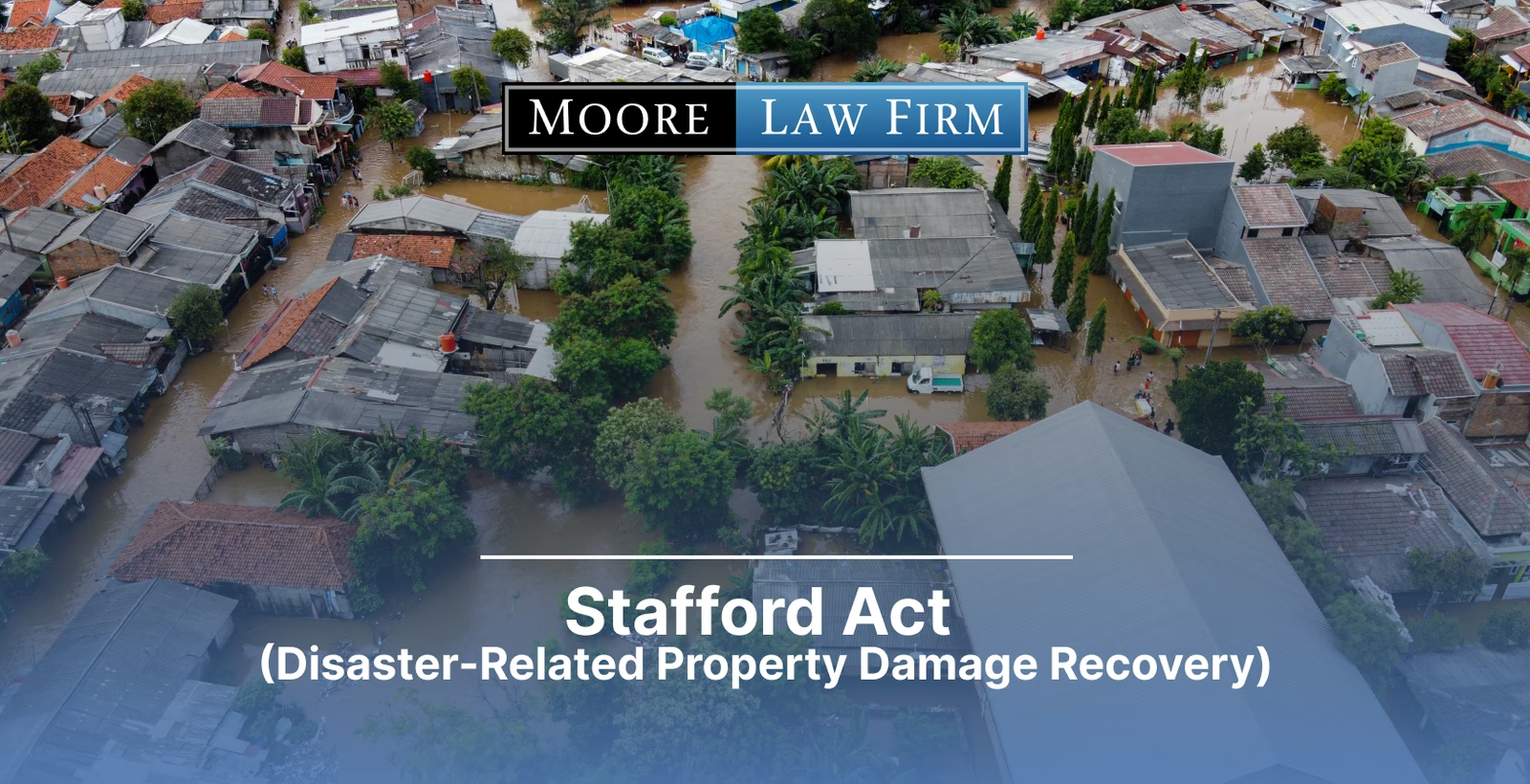
The Stafford Act is the primary federal law authorizing government assistance for disaster relief and emergency management across the United States. Formally known as the Robert T. Stafford Disaster Relief and Emergency Assistance Act, this law establishes the legal foundation for federal support when states face disasters that exceed their capacity to respond. The Federal Emergency Management Agency (FEMA) implements the Act by coordinating with state and local governments to deploy resources, funding, and technical support following presidentially declared disasters.
What Is the Stafford Act?
The Stafford Act is a federal statute that authorizes the federal government to provide disaster assistance to states, tribes, local governments, and qualifying individuals following major disasters and emergencies. The Act covers both public and private emergency support, including funding for infrastructure repair, debris removal, hazard mitigation, and individual assistance programs. Eligible recipients include state governments, federally recognized tribal nations, local government entities, and private individuals who suffer losses from covered disasters. The Act defines the scope and conditions under which federal aid flows to disaster-affected communities.
What Does the Stafford Act Do?
The Stafford Act authorizes the President to declare major disasters and direct federal resources to affected areas. It establishes programs for public assistance, individual assistance, and hazard mitigation grants. The Act sets rules for cost-sharing between federal and state governments, defines eligible activities for federal reimbursement, and creates the framework for coordinating multi-agency disaster response operations across federal, state, and local levels.
Why Was the Stafford Act Created?
Congress created the Stafford Act to address the fragmented and inconsistent federal response to disasters that existed before its passage. Prior to the Act, no single law governed how the federal government responded to disasters, resulting in duplicated efforts, funding gaps, and inadequate aid delivery. Multiple large-scale disasters in the 1970s and 1980s exposed the weaknesses in existing emergency response systems. Congress passed the Stafford Act in 1988 to create a unified, organized structure for federal disaster assistance that provided clear authority, defined responsibilities, and consistent funding mechanisms for communities facing catastrophic events.
Who Administers the Stafford Act?
FEMA serves as the primary federal agency responsible for administering the Stafford Act. FEMA coordinates with state emergency management agencies, tribal governments, and local authorities to deploy assistance following presidential disaster declarations. The agency manages the grant programs, technical support systems, and compliance oversight that the Act requires. FEMA also works alongside other federal departments, including the Department of Homeland Security, to ensure timely and effective delivery of disaster relief resources.
When Was the Stafford Act Passed?
Congress passed the Stafford Act in 1988. President Ronald Reagan signed the Robert T. Stafford Disaster Relief and Emergency Assistance Act into law on November 23, 1988. The Act replaced and significantly expanded the Disaster Relief Act of 1974, establishing a broader and more organized system for federal disaster assistance that remains the cornerstone of the national emergency management system.
Which Federal Agencies Implement the Stafford Act?
Several federal agencies carry out specific responsibilities under the Stafford Act. Each agency contributes distinct functions to the overall disaster response and recovery system.
1. Federal Emergency Management Agency (FEMA)
FEMA leads all implementation activities under the Stafford Act. The agency administers grant programs, coordinates logistics, deploys personnel, and manages the National Response Framework. FEMA serves as the central point of contact between the federal government and state and local authorities throughout the disaster declaration and recovery process.
2. Department of Homeland Security (DHS)
DHS provides overarching policy direction and oversight for Stafford Act implementation. The agency ensures that FEMA and other components operate within the national security and emergency management priorities established by federal law. DHS coordinates interagency activities and supports cross-sector disaster response planning.
3. U.S. Army Corps of Engineers
The Army Corps of Engineers performs critical infrastructure assessment and debris removal operations following federally declared disasters. The Corps supports public works restoration, temporary housing construction, and flood control activities authorized under the Stafford Act. Their engineering capacity addresses large-scale physical damage that exceeds local and state capabilities.
4. Environmental Protection Agency (EPA)
EPA addresses hazardous materials and environmental contamination issues that arise during disaster response under the Stafford Act. The agency coordinates cleanup of toxic releases, monitors air and water quality in affected areas, and ensures disaster recovery activities comply with applicable environmental laws. EPA works alongside FEMA to prevent secondary environmental harm during recovery operations.
5. Department of Transportation (DOT)
DOT coordinates the restoration of transportation infrastructure damaged during declared disasters. The agency provides technical assistance for road, bridge, and transit system repairs funded through Stafford Act public assistance programs. DOT also supports the safe movement of emergency personnel, equipment, and supplies into disaster zones.
What Are the Main Objectives of the Stafford Act?
The Stafford Act serves several central objectives that guide federal disaster response policy and funding priorities. Each objective addresses a distinct dimension of emergency management.
1. Authorizing Presidential Disaster Declarations
The Act gives the President authority to declare major disasters and emergencies, triggering the release of federal resources and funding. This declaration authority creates a clear activation mechanism that eliminates ambiguity about when and how federal assistance becomes available to affected states and communities.
2. Coordinating Federal and State Disaster Response
The Stafford Act establishes formal procedures for states to request federal assistance and for federal agencies to respond. It defines cost-sharing formulas, eligible activities, and documentation requirements that govern the relationship between federal and state governments during disaster recovery.
3. Protecting Public Health and Safety
The Act prioritizes the protection of individuals from immediate and long-term disaster hazards. Programs funded under the Act address emergency sheltering, debris removal, hazard mitigation, and infrastructure restoration that collectively reduce public health risks following catastrophic events.
4. Supporting Economic Recovery
Stafford Act assistance programs help communities restore damaged infrastructure, businesses, and public facilities. By funding repair and rebuilding activities, the Act reduces the long-term economic disruption caused by major disasters and supports the return of normal community functions.
5. Encouraging Mitigation and Preparedness
The Act funds hazard mitigation programs that reduce future disaster risk. Mitigation grants support structural improvements, land use planning, and community resilience investments that lower the likelihood and severity of damage from future disasters.
What Are the Major Provisions of the Stafford Act?
The Stafford Act contains several major provisions that define how federal disaster assistance operates in practice.
1. Presidential Disaster Declaration Authority
The Act grants the President broad authority to declare major disasters or emergencies upon request from a state governor. A declaration unlocks access to a range of federal assistance programs and authorizes FEMA to deploy resources immediately. The declaration process requires governors to demonstrate that the disaster exceeds state and local response capacity.
2. Federal Assistance Programs
The Stafford Act creates two primary categories of federal assistance. Public Assistance provides funding to state and local governments for debris removal, emergency protective measures, and infrastructure repair. Individual Assistance provides direct support to disaster-affected households for temporary housing, home repair, and other unmet needs not covered by insurance.
3. Interstate Assistance Compacts
The Act recognizes and supports agreements between states for mutual aid during disasters. These compacts allow states to share personnel, equipment, and resources across state lines during emergencies, expanding the total capacity available for response and recovery without requiring direct federal mobilization in every situation.
How Does the Stafford Act Interact with FEMA?
The Stafford Act and FEMA operate as interdependent instruments of federal disaster policy. FEMA serves as the primary implementing agency for nearly all Stafford Act programs, translating the Act's statutory requirements into operational disaster response systems. FEMA provides funding through its grant programs, deploys logistics support including equipment and personnel, and delivers technical assistance to state and local emergency managers. The agency also oversees compliance with Stafford Act regulations, auditing grantees to ensure funds are used appropriately. When a presidential disaster declaration is issued, FEMA coordinates the activation of all relevant federal resources under the Act's authority. The agency's National Response Framework aligns the activities of dozens of federal departments with the requirements and priorities established by the Stafford Act.
How Does the Stafford Act Address Environmental Property Damage During Disasters?
The Stafford Act requires that disaster response activities account for environmental property damage caused by contamination, hazardous material releases, and debris from affected structures. When disasters damage properties containing toxic materials, the Act authorizes FEMA and the EPA to coordinate cleanup and removal operations. Federal assistance covers the cost of environmentally safe debris disposal, contaminated soil remediation, and hazardous substance removal from disaster zones. Responsible parties retain liability for environmental damage under applicable law even when federal assistance supports cleanup operations. Property owners who suffer environmental damage to their land or structures during federally declared disasters may have legal claims beyond what FEMA provides.
How Does the Stafford Act Provide Disaster Relief?
The Stafford Act provides disaster relief through a tiered system of federal assistance programs activated following a presidential declaration. FEMA administers Individual Assistance grants for housing repairs, temporary lodging, and personal property losses. Public Assistance reimburses state and local governments for emergency response costs and infrastructure repairs. The Hazard Mitigation Grant Program funds long-term risk reduction projects. While FEMA provides substantial aid, the agency does not cover all losses. Individuals with unresolved property damage claims, denied insurance coverage, or disputed repair estimates may benefit from consulting a lawyer for a property damage claim to pursue compensation beyond what federal programs provide.
How Does the Stafford Act Integrate Environmental Laws?
The Stafford Act integrates environmental laws by requiring all disaster response and recovery activities to comply with applicable federal environmental statutes. Federal agencies executing disaster relief operations must follow environmental review requirements, handle hazardous materials according to established safety standards, and avoid causing additional environmental harm during recovery. The Act's provisions intersect directly with laws including the Toxic Substances Control Act (TSCA), which governs the safe management of hazardous chemicals that disaster damage may release into the environment. FEMA and the EPA coordinate to ensure that cleanup activities address toxic material exposures without creating secondary contamination. The Act also triggers compliance with the National Environmental Policy Act, the Clean Water Act, and the Resource Conservation and Recovery Act during major recovery operations.
How Does the Stafford Act Address Hazardous Materials Transportation?
The Stafford Act requires that the movement of hazardous materials during disaster response comply with the Hazardous Materials Transportation Act, which governs the safe transport of chemicals, fuels, and industrial waste on public roads and waterways. When disasters damage facilities containing hazardous substances, emergency responders must transport those materials according to federal packaging, labeling, and routing requirements. The EPA and the Department of Transportation provide oversight to ensure compliance during recovery operations. Violations of hazardous materials transportation rules during disaster response can expose contractors and agencies to significant liability. Safe handling reduces the risk of secondary accidents, community exposure, and environmental contamination during an already stressed emergency response period.
Who Is Responsible for Hazardous Waste During Federally Declared Disasters?
Responsibility for hazardous waste during federally declared disasters falls on multiple parties depending on the source and nature of the contamination. Disaster-affected generators, meaning businesses and facilities whose operations produced the waste before the disaster, retain primary liability for proper disposal even when a disaster disrupts normal waste management systems. State environmental agencies oversee generator compliance and coordinate with federal contractors deployed to manage waste removal. Federal contractors performing cleanup under Stafford Act authority must also comply with applicable environmental regulations throughout the recovery process. CERCLA's cradle-to-grave liability principles apply during emergency response, meaning parties remain responsible for waste from the point of generation through final disposal regardless of disaster conditions.
What Is the Role of FEMA Under the Stafford Act?
The Federal Emergency Management Agency serves as the central implementing authority for all major Stafford Act programs. FEMA administers disaster funding by processing grant applications from state and local governments, approving eligible projects, and distributing reimbursements for response and recovery costs. The agency provides technical assistance to communities that lack the capacity to plan and execute large-scale recovery operations independently. FEMA coordinates with state emergency management offices, tribal governments, and other federal departments to align resources with priority needs. The agency also oversees long-term disaster recovery programs including hazard mitigation grants that reduce future risk. FEMA's regulatory compliance function ensures that recipients of Stafford Act funding meet documentation, procurement, and environmental requirements.
What Are the Environmental Benefits of Stafford Act Implementation?
Stafford Act implementation produces significant environmental benefits by requiring that disaster recovery activities follow safe waste management, contamination control, and resource conservation practices. The Act's environmental compliance requirements protect communities from secondary harm that uncontrolled debris and hazardous materials could otherwise cause.
1. Safe Removal and Disposal of Hazardous Waste
The Stafford Act funds the removal and proper disposal of hazardous materials released during disasters. Federal contractors and state agencies must follow strict waste handling protocols that prevent further contamination. Safe disposal reduces long-term community exposure to toxic substances and protects nearby land and water resources from secondary contamination caused by improperly managed disaster debris.
2. Reduced Contamination of Water, Soil, and Air
Stafford Act-funded cleanup operations protect water bodies, soil, and air quality from disaster-related pollution. FEMA and EPA coordinate monitoring and remediation activities that identify and address contamination before it spreads. Rapid response to environmental damage under the Act reduces the duration and geographic extent of pollution events following major disasters.
3. Promotion of Public Health and Sustainable Disaster Recovery Practices
By requiring environmentally responsible recovery methods, the Stafford Act promotes public health in disaster-affected communities. Sustainable recovery practices funded under the Act reduce long-term health risks from contamination exposure. Hazard mitigation programs also encourage communities to rebuild in ways that reduce future disaster vulnerability and minimize environmental disruption from repeated disaster events.
How Does the Stafford Act Promote Recycling and Resource Conservation Post-Disaster?
The Stafford Act promotes recycling and resource conservation by encouraging federal grantees to minimize waste and reuse disaster debris where feasible. FEMA's debris management guidance supports the diversion of recyclable materials from landfills following major disasters. The Act's waste minimization principles align with state recycling initiatives, allowing federal recovery funding to support programs that sort, process, and redirect usable materials back into the local economy. Federal debris removal contracts increasingly incorporate sustainability requirements that reduce total waste volume and associated disposal costs. Collaboration between FEMA, state environmental agencies, and local recycling programs strengthens the long-term environmental outcomes of federally funded disaster recovery operations.
Which Industries and Sectors Are Most Affected by Disaster Waste Regulations Under the Stafford Act?
Several industries face significant compliance obligations under the Stafford Act's disaster waste regulations. Each sector bears distinct responsibilities for safe waste management during federally declared disaster recovery operations.
1. Construction and Demolition
The construction and demolition sector generates substantial volumes of disaster debris including concrete, wood, metal, and hazardous building materials such as asbestos and lead paint. Contractors operating under Stafford Act-funded recovery projects must comply with federal waste segregation, transport, and disposal requirements. Failure to manage construction debris properly during disaster recovery exposes contractors to regulatory penalties and environmental liability.
2. Manufacturing
Manufacturing facilities damaged by disasters may release chemicals, solvents, and industrial byproducts that require specialized hazardous waste management. Manufacturers retain generator liability for their waste streams even when disaster conditions disrupt normal operations. Stafford Act recovery activities involving manufacturing sites must address contaminated equipment, storage tanks, and process materials in compliance with RCRA and CERCLA requirements.
3. Chemical and Petrochemical
The chemical sector faces the most complex waste management obligations under disaster regulations due to the toxicity and volume of substances involved. Disasters affecting chemical plants or fuel storage facilities can release large quantities of hazardous materials requiring immediate containment. Federal and state agencies prioritize chemical sector sites during disaster response due to the significant public health and environmental risks posed by uncontrolled releases.
4. Energy
Energy sector facilities including power plants, pipelines, and fuel distribution infrastructure face specific disaster waste obligations under the Stafford Act. Damaged energy infrastructure may release petroleum products, coal ash, and other regulated materials requiring coordinated federal and state cleanup response. The sector must comply with EPA and DOT oversight during both emergency response and long-term recovery operations following federally declared disasters.
What Are the Challenges in Implementing Stafford Act Disaster Provisions?
Implementing Stafford Act disaster provisions involves significant logistical, regulatory, and financial challenges that affect the speed and effectiveness of recovery operations.
1. Coordination Across Federal, State, and Local Levels
Coordinating dozens of federal agencies, multiple state departments, and hundreds of local government entities during a disaster creates substantial administrative complexity. Competing priorities, inconsistent documentation practices, and communication gaps between levels of government slow the delivery of Stafford Act assistance. Effective coordination requires pre-established relationships, shared protocols, and clear chains of authority that many jurisdictions lack at the time of a disaster declaration.
2. Compliance with Environmental Laws During Emergency Response
Meeting environmental compliance requirements during the urgency of disaster response creates significant operational tension. Recovery personnel must follow hazardous materials handling rules, environmental review procedures, and waste disposal standards even as community pressure demands rapid action. Environmental compliance failures during recovery can expose agencies and contractors to regulatory liability and delay long-term restoration efforts.
3. Logistics and Funding Challenges in Debris and Hazardous Material Management
Managing the physical volume of disaster debris and hazardous materials requires equipment, personnel, and disposal capacity that frequently exceeds what affected communities have available. Funding delays in the federal reimbursement process create cash flow problems for state and local governments executing debris removal operations. Identifying eligible versus ineligible costs under Stafford Act grant rules adds administrative burden that slows project approval and payment cycles.
Share this article:
Related Articles

Hazardous Materials Transportation Act

Clean Water Act (CWA)